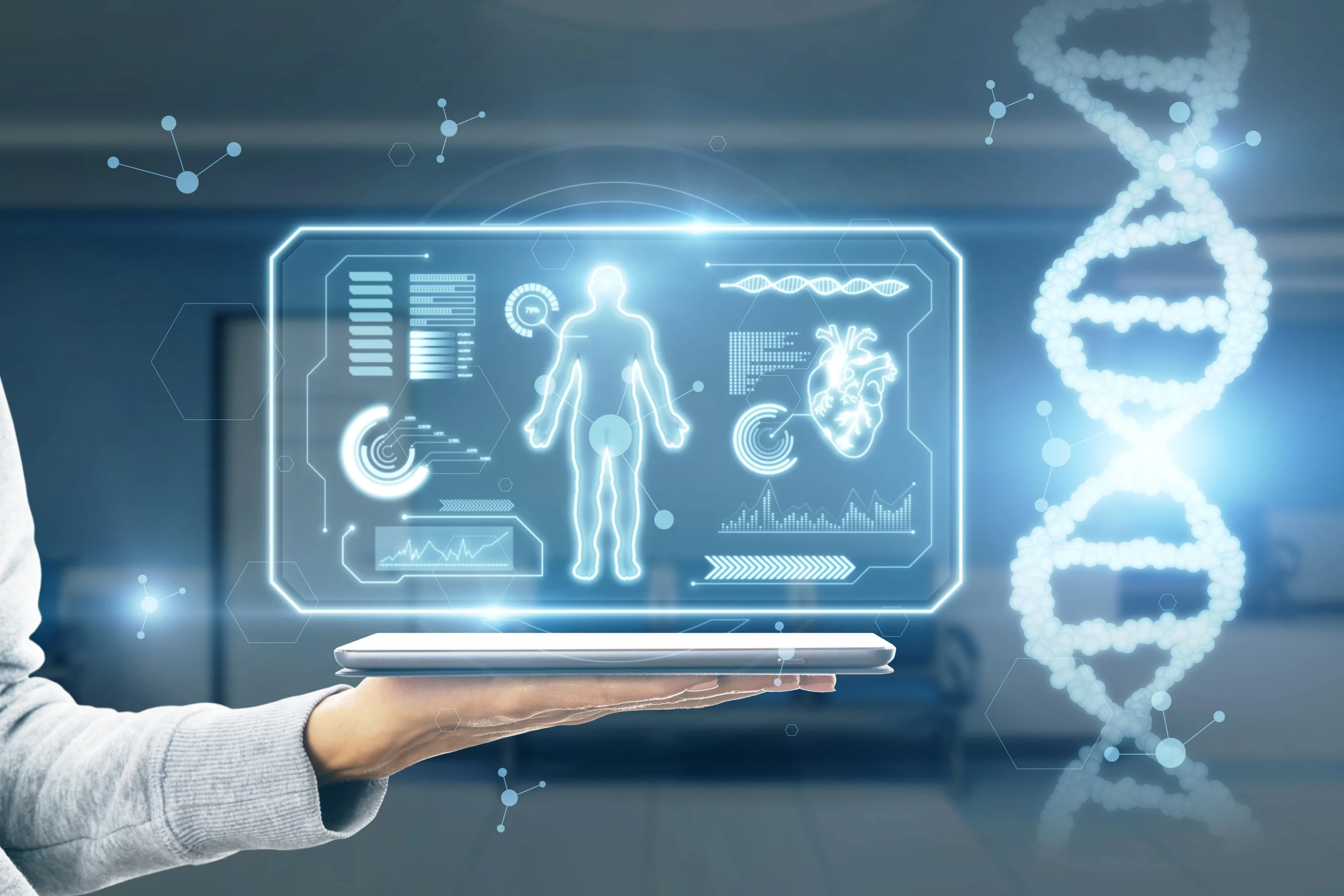
Redefining the Future of Healthcare Through Intelligence, Innovation, and Digital Excellence. The future of healthcare is no longer shaped by medical discoveries alone. It is increasingly influenced by the remarkable convergence of human intelligence, advanced technology, and digital innovation. Across the global healthcare landscape, artificial intelligence is introducing new possibilities for how information is interpreted, services are delivered, organizations operate, and individuals engage with their health.
What once appeared to belong to a distant technological future is steadily becoming part of everyday healthcare operations. From intelligent administrative systems to sophisticated analytical tools, digital transformation is creating opportunities to strengthen efficiency, improve accessibility, and support more informed decisions.
Artificial Intelligence: A New Dimension in Healthcare Innovation
Artificial intelligence refers to computational technologies capable of identifying patterns, analyzing information, and performing tasks that traditionally require elements of human reasoning.
Within healthcare, AI-assisted technologies are being developed and implemented across numerous applications, including medical imaging analysis, clinical documentation, research support, predictive analytics, appointment coordination, and administrative workflow management.
When appropriately validated and supervised, these technologies can help healthcare professionals manage complex information, reduce repetitive administrative demands, and devote greater attention to meaningful patient interactions.
However, technological sophistication does not automatically guarantee clinical accuracy. Reliable implementation requires appropriate evaluation, professional oversight, and careful consideration of potential limitations.
Digital Healthcare: Expanding Access Beyond Traditional Boundaries
The growth of digital healthcare is transforming how individuals access information, communicate with professionals, and participate in managing their well-being.
Virtual consultations, remote patient monitoring, electronic health records, secure communication platforms, and digital wellness applications are creating opportunities for more flexible and connected healthcare experiences.
These developments are particularly significant for individuals facing geographical barriers, mobility challenges, or limited access to certain healthcare resources.
At MedHolSpaClin Global™, we explore digital healthcare developments and their potential applications across integrated wellness, skincare education, healthcare administration, and innovative business solutions.
Our interest extends beyond the technology itself to understanding how thoughtfully designed digital systems can support accessibility, organizational effectiveness, and more personalized client experiences.
Intelligent Automation and the Evolution of Healthcare Operations
Behind every successful healthcare organization lies an essential network of administrative, operational, and professional responsibilities.
Artificial intelligence and automation offer opportunities to streamline appointment management, organize information, improve internal communication, support customer engagement, and simplify repetitive business processes.
For healthcare entrepreneurs, wellness professionals, and developing organizations, these capabilities may contribute to improved operational efficiency, better resource allocation, and greater business adaptability.
Nevertheless, successful digital transformation requires more than adopting new software. Organizations must evaluate their operational needs, staff readiness, financial resources, regulatory obligations, and the suitability of each technological solution.
Sustainable implementation depends upon ensuring that innovation serves a clearly defined purpose rather than introducing unnecessary complexity.
The Importance of Data Privacy, Ethics, and Human Oversight
As healthcare becomes increasingly digital, protecting sensitive information remains a fundamental responsibility.
AI-assisted systems may process substantial volumes of personal, administrative, and health-related data. Consequently, organizations must carefully consider privacy protections, cybersecurity, informed consent, data-sharing arrangements, and applicable regulatory requirements.
Where relevant, compliance with healthcare privacy legislation, including HIPAA in the United States, requires appropriate safeguards and contractual arrangements.
Equally important are concerns surrounding algorithmic bias, inaccurate recommendations, transparency, and professional accountability.
Artificial intelligence should support qualified human judgment rather than independently replace clinical expertise, compassionate communication, or ethical decision-making.
Creating Opportunities for Entrepreneurs and Healthcare Professionals
Digital transformation is not exclusively reserved for hospitals, large medical institutions, or established technology companies.
Smaller healthcare businesses, wellness enterprises, skincare organizations, and professional service providers can also explore appropriately selected digital solutions to strengthen their operations.
Opportunities may include virtual service coordination, client relationship management, digital education, administrative automation, business analytics, and professional collaboration.
At MedHolSpaClin Global™, we recognize the importance of connecting technological awareness with practical business development. Our educational approach encourages professionals and entrepreneurs to evaluate emerging tools, understand their capabilities, and consider how innovation may support responsible organizational growth.
The objective is not simply to become more technologically advanced, but to become more effective, adaptable, and responsive to the people and communities being served.
Looking Ahead: Where Human Expertise Meets Digital Possibility
The next generation of healthcare will be influenced by continued developments in artificial intelligence, remote monitoring, connected technologies, and personalized digital services.
Yet the true measure of progress will not be determined solely by the sophistication of intelligent systems. It will be reflected in whether these advancements improve accessibility, strengthen professional capabilities, protect human dignity, and contribute to safer, more effective healthcare experiences.
At MedHolSpaClin Global™, we envision a landscape where digital advancement and professional excellence complement one another, opening opportunities for meaningful collaboration, responsible entrepreneurship, and sustainable organizational development.
The future of healthcare belongs not merely to those who embrace technology, but to those who possess the vision to apply it wisely, the integrity to use it responsibly, and the commitment to ensure that human well-being remains at the heart of every advancement.
Important Information
This article is provided for general education, technological awareness, and professional development. Artificial intelligence and digital healthcare technologies vary in their capabilities, clinical validation, regulatory status, and intended applications. AI-generated information should not replace medical diagnosis, individualized treatment, or professional judgment. Healthcare organizations and service providers are responsible for evaluating applicable privacy, security, licensing, and regulatory requirements before implementing digital solutions.
MedHolSpaClin Global™
Starting Virtual. Thinking Global. Building the Future.